| | 
Claret is a term that basically describes a red wine from the Bordeaux Region of France
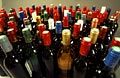 Merlot, Cabernet Sauvignon, and Cabernet Franc make up the red grape "trio" of Bordeaux. Petit Verdot and Malbec grape varieties are also used in lesser proportions. As soon as the grapes are harvested, the juice ferments with the grape skins; this gives the wine its color and tannins. After several weeks in vats (or barrels), wines made from different grape varieties are blended. The wine is then aged in vats or oak barrels for months or even years Merlot, Cabernet Sauvignon, and Cabernet Franc make up the red grape "trio" of Bordeaux. Petit Verdot and Malbec grape varieties are also used in lesser proportions. As soon as the grapes are harvested, the juice ferments with the grape skins; this gives the wine its color and tannins. After several weeks in vats (or barrels), wines made from different grape varieties are blended. The wine is then aged in vats or oak barrels for months or even years
It is the subtle blending of different grapes that gives Bordeaux wines their balance, refinement and character. Each variety imparts something unique to the finished wine:
Merlot
The most widely planted grape variety in Bordeaux. It is especially prominent in Pomerol, Saint-Emilion and Côtes wines. With lower tannin and acid levels and higher sugar content than Cabernet Sauvignon, it produces smoother and fruitier wines than ones blended predominantly with Cabernet Sauvignon grapes. It exudes aromas of ripe plums and red fruits. (98,800 acres)
Cabernet Sauvignon
Esteemed by connoisseurs as the noblest of all grapes, it provides tannic backbone, or structure. It is very aromatic in young wines with aromas of blackcurrant and also allows the wine to gain enormous complexity with age. It is especially prominent in Médoc and Graves wines and is distinguished by intense blackcurrant aromas, balanced tannin and medium to high acidity which together yield a complex, elegant, and strong-bodied wine that ages with grace. (61,750 acres)
Cabernet Franc
The primary blending grape that provides acidity, fragrance and strawberry-like fruit qualities. (32,110 acres)
Secondary authorized grape varieties used for blending red wines are Malbec (also known as the Cot or Pressac) for color and body, Petit Verdot for color, tannins and high acidity, and Carmenère for color
 USEFUL HINTS USEFUL HINTS
If your taste leans towards the soft, plummy style of Merlot, look for wines from Saint-Emilion, Pomerol and Fronsac. If you're a Cabernet Sauvignon fan, try wines from the Médoc and Graves. If you are looking to keep your wine for a few years, Médoc and Graves wines, together with those from the Saint-Emilion and Pomerol vineyards, generally age better than other reds. Wines from the Côtes de Bordeaux, Bordeaux and the Bordeaux Supérieur appellations are better appreciated when young — approximately 2 to 5 years from bottling
 GETTING THE MOST FROM RED BORDEAUX GETTING THE MOST FROM RED BORDEAUX
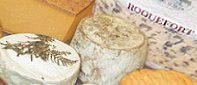
Bordeaux red wines should ideally be served at 61°F - 65°F. Given their good balance of alcohol, tannin and acidity, these wines are perfect to enjoy with all kinds of food: Médoc and Graves pair well with red meats and roasts; Saint-Emilion, Pomerol and Fronsac wines pair well with white meats, poultry, game and even fish; Bordeaux, Bordeaux Supérieur and Côtes de Bordeaux wines are ideal matches for grilled meats, pasta and even more exotic "fusion" dishes
| |